
Search
Recent Posts
October 23, 2026 • 1 Minute Read
Family Focus
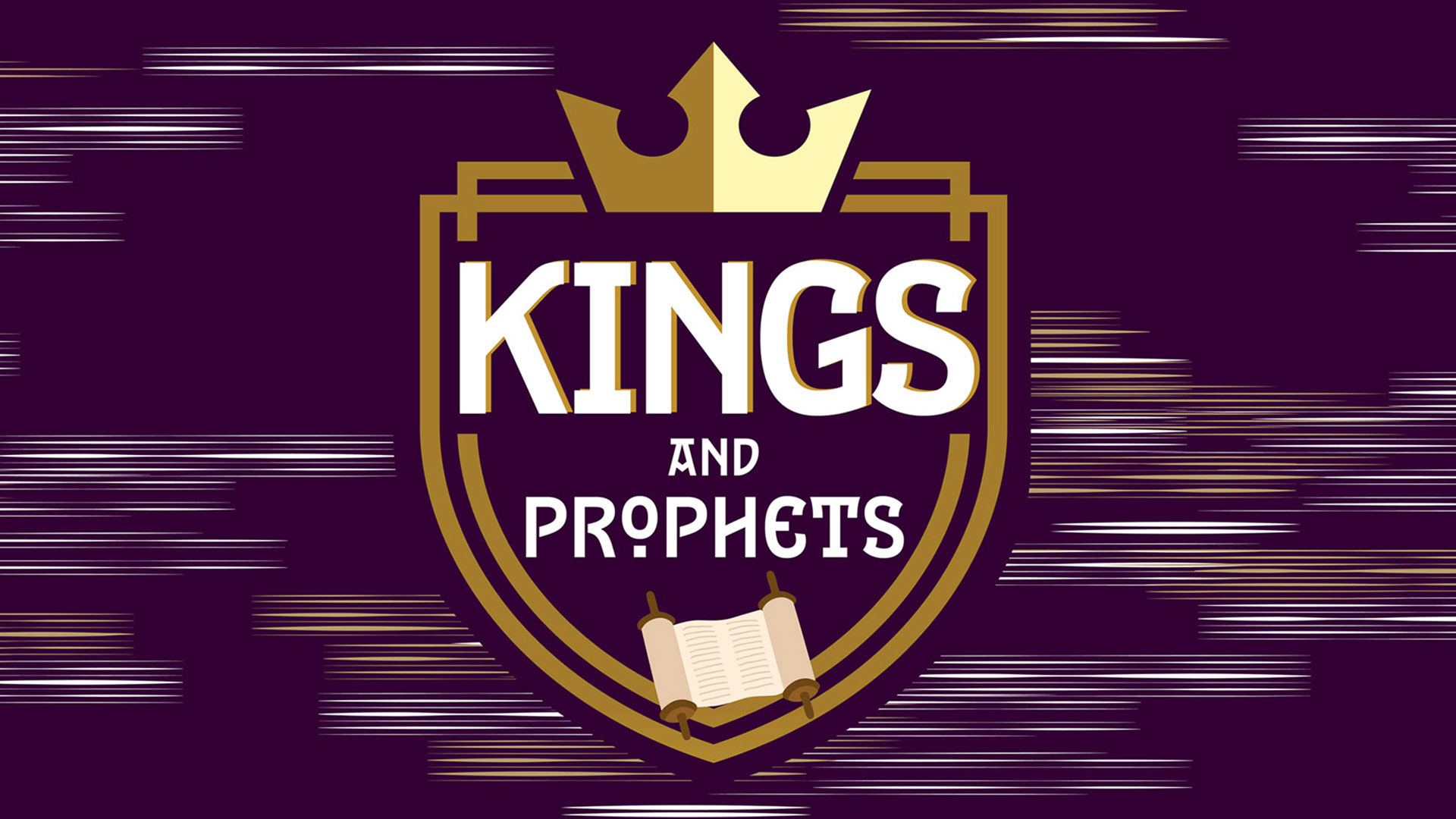
Memory Verse Fun For The Whole Family Our Sunday Preschool and Kids Time program are in a lesson series called Kings & Prophets. The Memory Verse for this 6 lesson series is Psalm 46:10-11 NIV He says, “Be still, and know that I am God; I will be exalted among the nations, I will be exalted in the earth.” 11 The Lord Almighty is with us; the God of Jacob is our fortress. On Sunday October 18th we learned actions for this Memory Verse and we thought we would share this with families so that you could participate in learning this verse together. Watch the video for the actions and have some purposeful fun!Psalm 46:10-11 Kings & Prophets Memory Verse


October 22, 2026 • 3 Minute Read
Christian Foundations
The late R.C. Sproul writes in Essential Truths of the Christian Faith, “Every Christian is a theologian. We are always engaged in the activity of learning about the things of God. We are not all theologians in the professional or academic sense, but theologians we are, for better or for worse.” Sometimes we can think doctrine or theology is solely for the classroom and find ourselves thinking, “All I need to know is Jesus.” To that, Sproul asks, “Well, who is Jesus?” As soon as we begin answering that question, we’re doing theology! We’ve begun Christian Foundations at Monday School, looking at the gospel, the Bible, the Christian life, and the church. Why spend time on these subjects? Well, for exactly the reason outlined above. These are all theological topics, and theology is simply the study of God. The truths that bring us to faith in Christ are truths we need throughout the Christian life. These foundations matter for every Christian. Think about your own walk with the Lord and the different seasons you have gone through. New believers need to understand the faith they’ve embraced. Longtime believers need to keep deepening their understanding and learning to live in light of it. Years of attending church don’t automatically mean we can clearly explain what we believe. Our first class this past Monday looked at the gospel. There we looked at who God is, humanity and the problem of our sin, what Christ has accomplished, and our response of repentance and faith in what Christ has done. Timothy Keller gives good insight into the importance of understanding the gospel and its implications for the Christian life. In Center Church, he writes: “The gospel is not just the ABCs but the A to Z of the Christian life. It is inaccurate to think the gospel is what saves non-Christians, and then Christians mature by trying hard to live according to biblical principles. It is more accurate to say that we are saved by believing the gospel, and then we are transformed in every part of our minds, hearts, and lives by believing the gospel more and more deeply as life goes on (see Rom 12:1–2; Phil 1:6; 3:13–14).” The gospel continues to shape our confidence before God, our repentance, and our relationships. We need it as much today as we did on our first day following Jesus. These truths help us trust God in suffering, recognize error, resist temptation, and explain our hope to others. The aim is to know God and follow Him faithfully. So, in light of this, I would encourage you to ask yourself the question: “Could I explain the gospel clearly to someone else?” Go and revisit a passage such as 1 Corinthians 15:1–4 and discuss it with someone. You are welcome to come to Monday School next week as we look at the Bible and what it means to listen to God’s Word. In Colossians 2:6–7, we read, “Therefore, as you received Christ Jesus the Lord, so walk in him, rooted and built up in him and established in the faith, just as you were taught, abounding in thanksgiving.” The challenge for us as believers is to continue walking in the Christ we have received, rooted and built up in Him. Pastor Kevin
October 22, 2026 • 2 Minute Read
Week of Sunday, October 25
Too early for Christmas announcements? Apparently not. 🎄 This is your one-stop spot for everything happening in our church family. From kids to adults, bible studies to special events, here's how you can get connected. Week at a Glance Sunday, October 25th Sunday Services - Corporate worship, prayer, and the proclamation of God’s Word at 9:00 & 11:00am Nursery/Preschool/Kids Time - Age-specific programming during both services (learn more here) Jr. Youth Sunday School - Age-specific programming in the church office building during the 11:00am service Church Choir Practice - Practices begin at 7:00pm for the next four weeks; all ages are welcome to join Monday, October 26th Join us in praying for our staff as they plan for the week ahead Monday School - Evening courses at the church from 6:30-8:30pm (see our course schedule & sign up here) Tuesday, October 27th High School Hot Lunch - Lunch available on the lower church level from 12:00-1:00pm Sr. Youth (Grades 8-12) - Meet at the church from 7:00-8:30pm for games, worship, bible study, and fellowship Wednesday, October 28th Men’s Prayer - Pray for the needs of our church, community, and world at 7:00am in the church foyer Worship Practice - Join us in praying for or our worship & tech teams as they prepare for our Sunday Services Thursday, October 29th Play Café - Morning playtime and coffee from 9:00-11:00am for parents with children ages 0-5 Women’s Bible Study - This study is currently full. Please reach out to the church office if you are interested in enrolling in the next study. Jr. Youth (Grades 5-7) - Meet at the church from 6:30-8:00pm for games and a gospel message Friday, October 30th NO EVENTS Saturday, October 31st Join us in praying for opportunities to share the gospel with our friends, neighbours, and co-workers. Upcoming Events Prayer Night - November 1st from 5:30-6:30pm in the church sanctuary Soup Sunday - Mark your calendars for our next Soup Sunday on November 15th; more details to come Sunday Resources Watch last week’s sermon 👇Listen to past sermons 📖Listen to this week's Sunday Worship Playlist 🎵 Announcements Read this week’s new post from Pastor Kevin.Christian FoundationsWatch this year's video 🎬pack a shoebox 🎁Register Online 💻 PrayerClick here to learn more about our missionaries 🌎 Shuswap Community Church exists to declare and demonstrate the transforming power of the gospel.

October 15, 2026 • 3 Minute Read
Week of Sunday, October 18
New this week: choir, courses, and a trip to Calgary 🏙️ This is your one-stop spot for everything happening in our church family. From kids to adults, bible studies to special events, here's how you can get connected. Week at a Glance Sunday, October 18th Sunday Services - Corporate worship, prayer, and the proclamation of God’s Word at 9:00 & 11:00am Nursery/Preschool/Kids Time - Age-specific programming during both services (learn more here) Jr. Youth Sunday School - Age-specific programming in the church office building during the 11:00am service Church Choir Practice - Practices begin at 7:00pm for the next four weeks; all ages are welcome to join Monday, October 19th Join us in praying for our staff as they plan for the week ahead Monday School - Evening courses at the church from 6:30-8:30pm (see our course schedule & sign up here) Tuesday, October 20th High School Hot Lunch - Lunch available on the lower church level from 12:00-1:00pm Sr. Youth (Grades 8-12) - Meet at the church from 7:00-8:30pm for games, worship, bible study, and fellowship Wednesday, October 21st Men’s Prayer - Pray for the needs of our church, community, and world at 7:00am in the church foyer Worship Practice - Join us in praying for or our worship & tech teams as they prepare for our Sunday Services Thursday, October 22nd Play Café - Morning playtime and coffee from 9:00-11:00am for parents with children ages 0-5 Women’s Bible Study - This study is currently full. Please reach out to the church office if you are interested in enrolling in the next study. Jr. Youth (Grades 5-7) - Meet at the church from 6:30-8:00pm for games and a gospel message Friday, October 23rd Sr. Youth Calgary Trip - Grades 8-12 are heading to Calgary for a weekend away; contact Jesse for more details Saturday, October 24th NO EVENTS Upcoming Events Soup Sunday - Mark your calendars for our next Soup Sunday on November 15th. More details to come. Sunday Resources Watch last week’s sermon 👇Listen to past sermons 📖Listen to this week's Sunday Worship Playlist 🎵 Announcements We’re continuing to find new ways to communicate within our congregation. Check out these new posts that were written by our church staff.Welcome to Children's Ministry 2026-2027Opening the Bible TogetherLearn more and sign-up for a course 🍎Contact Deena Honan ✉️Join the Schallhorn's Meal Train 🍽️Join the Hamming's Meal Train 🍽️ PrayerClick here to learn more about our missionaries 🌎 Shuswap Community Church exists to declare and demonstrate the transforming power of the gospel.

October 15, 2026 • 4 Minute Read
Opening the Bible Together
Last week, I encouraged us to consider a simple question: What would it look like if Christians throughout our church were regularly opening their Bibles together? Maybe you’ve thought of someone you could ask to do this with. But another question might be holding you back: What would we actually do when we sit down? You don’t need to prepare a lesson or have all the answers. You can open your Bibles, read a passage, and work through it together. A few simple questions can help guide the conversation. In our recent Monday School classes, we explored two approaches recommended in David Helm’s One-to-One Bible Reading: the Swedish Method and COMA. Both give us a starting point for reading carefully, understanding what God has said, and responding in faith and obedience. The Swedish Method Light Bulb → Question Mark → Arrow This approach uses three simple symbols to guide your reading: a light bulb, a question mark, and an arrow. Start by reading a passage aloud together. Then take a few minutes to read it again individually, noting something beside each symbol. A light bulb: What stands out? This should be something that 'shines' from the passage – whatever impacts you most, or draws your attention. A question mark: What don’t I understand? Anything that is difficult to understand in the text, or a question the reader would like to ask the writer of the passage or the Lord. You don’t have to hide your questions or pretend you understand everything. Bring them into the conversation and look carefully at the passage together. An arrow: How does this apply to me? Ask how you are to respond. Something in the passage that connects personally to your life. How does this passage call you to trust God, turn from sin, love someone, or change the way you think and live? After taking a few minutes individually, share what you’ve noticed. Keep returning to the passage as you talk. The aim is to understand and respond to what God has actually said. The COMA Method Context → Observation → Meaning → Application COMA provides four headings to guide your conversation: Context, Observation, Meaning, and Application. Context: Where does this passage fit? Consider what comes before and after it. Who is writing or speaking? Who is being addressed? Reading a few surrounding verses can help us avoid taking a statement out of context. Observation: What does the passage say? Look closely at what is there. Who is involved? What happens? Are there repeated words, commands, promises, or contrasts? Take time to notice the details. Meaning: What does the passage mean? What is the author communicating to the original readers? How do the details fit together? Try putting the main point into a sentence, checking that it reflects the passage. Application: How should we respond? Having considered its meaning, ask how this part of God’s Word should shape your beliefs, desires, words, and actions. Is there a promise to trust, a sin to confess, or an example to follow? Be specific, and pray for God’s help to respond. Give It a Try These methods are just a couple of ways to get you into God’s Word with someone else. So, choose whichever approach helps you get started. Ask God to help you understand His Word, read the passage, and use one of these methods to guide your conversation. Finish by praying about what you’ve learned. We still have copies of David Helm’s One-to-One Bible Reading available at the church if you would like more guidance. Remember, you don’t need to be an expert! Simply think of one person, arrange a time, and open the Bible together. Pastor Kevin
October 8, 2026 • 2 Minute Read
Week of Sunday, October 11
There’s so much to be thankful for 🦃 This is your one-stop spot for everything happening in our church family. From kids to adults, bible studies to special events, here's how you can get connected. Week at a Glance Sunday, October 11th Sunday Services - Corporate worship, prayer, and the proclamation of God’s Word at 9:00 & 11:00am Nursery/Preschool/Kids Time - Age-specific programming during both services (learn more here) Jr. Youth Sunday School - Age-specific programming in the church office building during the 11:00am service Monday, October 12th Thanksgiving Day - Church office is closed Tuesday, October 13th High School Hot Lunch - Lunch available on the lower church level from 12:00-1:00pm Sr. Youth (Grades 8-12) - Meet at the church from 7:00-8:30pm for games, worship, bible study, and fellowship Wednesday, October 14th Men’s Prayer - Pray for the needs of our church, community, and world at 7:00am in the church foyer Worship Practice - Join us in praying for or our worship & tech teams as they prepare for our Sunday Services Thursday, October 15th Play Café - Morning playtime and coffee from 9:00-11:00am for parents with children ages 0-5 Women’s Bible Study - This study is currently full. Please reach out to the church office if you are interested in enrolling in the next study. Jr. Youth (Grades 5-7) - Meet at the church from 6:30-8:00pm for games and a gospel message Friday, October 16th Sr. Youth Offsite - Meet at the church at 7:00pm and board the bus to this week’s offsite location Saturday, October 17th NO EVENTS Upcoming Events Church Choir - Meeting for four weeks, beginning October 18th at 7:00pm; all ages welcome to join Monday School - Christian Foundations begins on October 19th (see our course schedule & sign up here) Sunday Resources Watch last week’s sermon 👇Listen to past sermons 📖Listen to this week's Sunday Worship Playlist 🎵 Announcements We’re continuing to find new ways to communicate within our congregation. Check out these new post collections and subscribe to them individually.From the PastorsFamily & Children's MinistryDiscipleship Groups Handout 📄Learn more and sign-up for a course 🍎Contact Deena Honan ✉️ PrayerClick here to learn more about our missionaries 🌎 Shuswap Community Church exists to declare and demonstrate the transforming power of the gospel.

Copyright 2026 Shuswap Community Church
All Rights Reserved.