


Christian Foundations

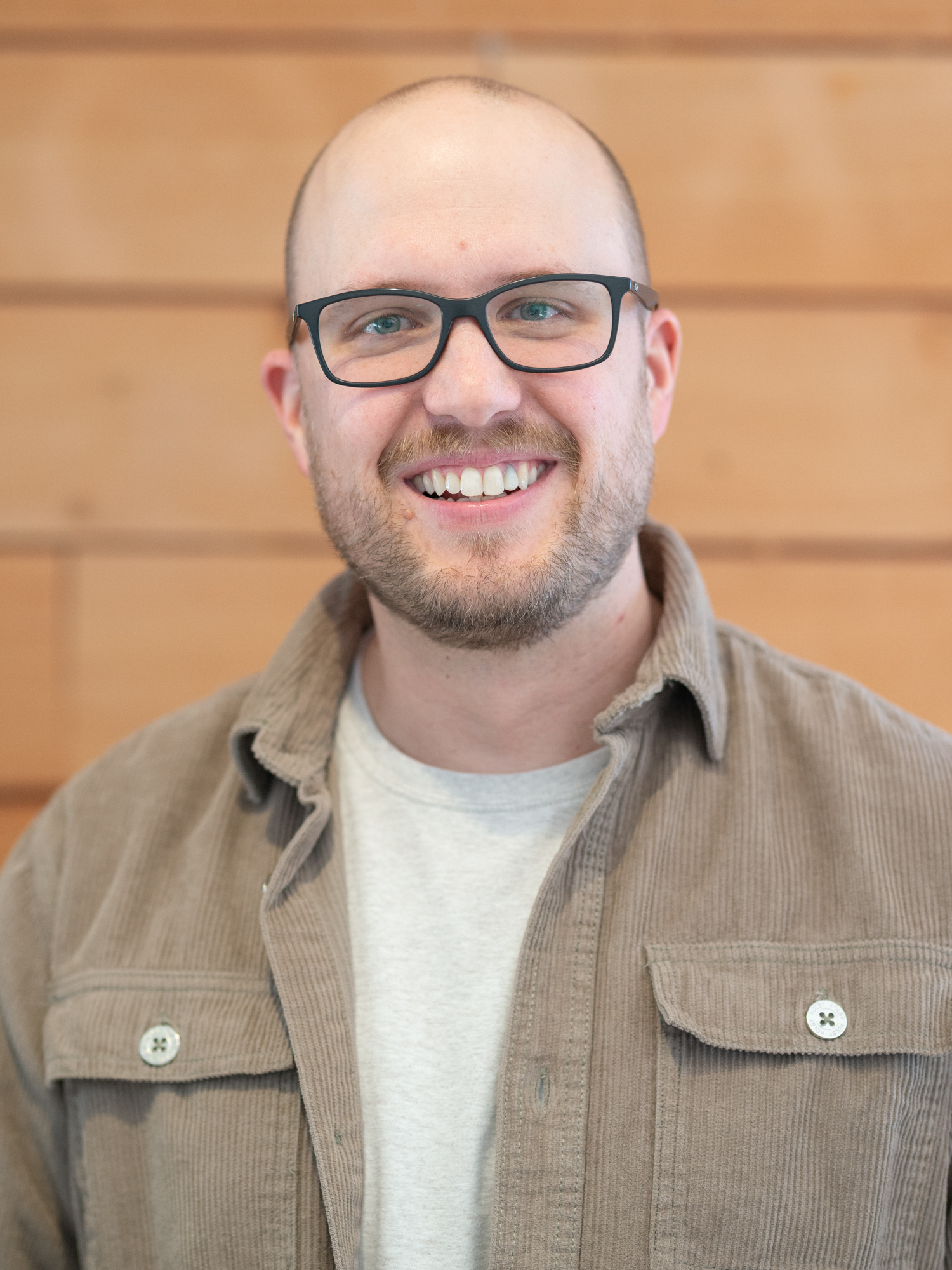
Kevin Hardy • Lead Pastor | Elder
October 22, 2026

3 Minute Read

The late R.C. Sproul writes in Essential Truths of the Christian Faith, “Every Christian is a theologian. We are always engaged in the activity of learning about the things of God. We are not all theologians in the professional or academic sense, but theologians we are, for better or for worse.”

Sometimes we can think doctrine or theology is solely for the classroom and find ourselves thinking, “All I need to know is Jesus.” To that, Sproul asks, “Well, who is Jesus?” As soon as we begin answering that question, we’re doing theology!

We’ve begun Christian Foundations at Monday School, looking at the gospel, the Bible, the Christian life, and the church. Why spend time on these subjects? Well, for exactly the reason outlined above. These are all theological topics, and theology is simply the study of God. The truths that bring us to faith in Christ are truths we need throughout the Christian life.

These foundations matter for every Christian. Think about your own walk with the Lord and the different seasons you have gone through. New believers need to understand the faith they’ve embraced. Longtime believers need to keep deepening their understanding and learning to live in light of it. Years of attending church don’t automatically mean we can clearly explain what we believe.

Our first class this past Monday looked at the gospel. There we looked at who God is, humanity and the problem of our sin, what Christ has accomplished, and our response of repentance and faith in what Christ has done. Timothy Keller gives good insight into the importance of understanding the gospel and its implications for the Christian life. In Center Church, he writes:

“The gospel is not just the ABCs but the A to Z of the Christian life. It is inaccurate to think the gospel is what saves non-Christians, and then Christians mature by trying hard to live according to biblical principles. It is more accurate to say that we are saved by believing the gospel, and then we are transformed in every part of our minds, hearts, and lives by believing the gospel more and more deeply as life goes on (see Rom 12:1–2; Phil 1:6; 3:13–14).”

The gospel continues to shape our confidence before God, our repentance, and our relationships. We need it as much today as we did on our first day following Jesus. These truths help us trust God in suffering, recognize error, resist temptation, and explain our hope to others. The aim is to know God and follow Him faithfully.

So, in light of this, I would encourage you to ask yourself the question: “Could I explain the gospel clearly to someone else?” Go and revisit a passage such as 1 Corinthians 15:1–4 and discuss it with someone. You are welcome to come to Monday School next week as we look at the Bible and what it means to listen to God’s Word.

In Colossians 2:6–7, we read, “Therefore, as you received Christ Jesus the Lord, so walk in him, rooted and built up in him and established in the faith, just as you were taught, abounding in thanksgiving.”

The challenge for us as believers is to continue walking in the Christ we have received, rooted and built up in Him.

Pastor Kevin
Up Next
From this Author: Kevin Hardy
Currently Reading
October 22, 2026 • 3 Minute Read
Christian Foundations
The late R.C. Sproul writes in Essential Truths of the Christian Faith, “Every Christian is a theologian. We are always engaged in the activity of learning about the things of God. We are not all theologians in the professional or academic sense, but theologians we are, for better or for worse.” Sometimes we can think doctrine or theology is solely for the classroom and find ourselves thinking, “All I need to know is Jesus.” To that, Sproul asks, “Well, who is Jesus?” As soon as we begin answering that question, we’re doing theology! We’ve begun Christian Foundations at Monday School, looking at the gospel, the Bible, the Christian life, and the church. Why spend time on these subjects? Well, for exactly the reason outlined above. These are all theological topics, and theology is simply the study of God. The truths that bring us to faith in Christ are truths we need throughout the Christian life. These foundations matter for every Christian. Think about your own walk with the Lord and the different seasons you have gone through. New believers need to understand the faith they’ve embraced. Longtime believers need to keep deepening their understanding and learning to live in light of it. Years of attending church don’t automatically mean we can clearly explain what we believe. Our first class this past Monday looked at the gospel. There we looked at who God is, humanity and the problem of our sin, what Christ has accomplished, and our response of repentance and faith in what Christ has done. Timothy Keller gives good insight into the importance of understanding the gospel and its implications for the Christian life. In Center Church, he writes: “The gospel is not just the ABCs but the A to Z of the Christian life. It is inaccurate to think the gospel is what saves non-Christians, and then Christians mature by trying hard to live according to biblical principles. It is more accurate to say that we are saved by believing the gospel, and then we are transformed in every part of our minds, hearts, and lives by believing the gospel more and more deeply as life goes on (see Rom 12:1–2; Phil 1:6; 3:13–14).” The gospel continues to shape our confidence before God, our repentance, and our relationships. We need it as much today as we did on our first day following Jesus. These truths help us trust God in suffering, recognize error, resist temptation, and explain our hope to others. The aim is to know God and follow Him faithfully. So, in light of this, I would encourage you to ask yourself the question: “Could I explain the gospel clearly to someone else?” Go and revisit a passage such as 1 Corinthians 15:1–4 and discuss it with someone. You are welcome to come to Monday School next week as we look at the Bible and what it means to listen to God’s Word. In Colossians 2:6–7, we read, “Therefore, as you received Christ Jesus the Lord, so walk in him, rooted and built up in him and established in the faith, just as you were taught, abounding in thanksgiving.” The challenge for us as believers is to continue walking in the Christ we have received, rooted and built up in Him. Pastor Kevin

October 15, 2026 • 4 Minute Read
Opening the Bible Together
Last week, I encouraged us to consider a simple question: What would it look like if Christians throughout our church were regularly opening their Bibles together? Maybe you’ve thought of someone you could ask to do this with. But another question might be holding you back: What would we actually do when we sit down? You don’t need to prepare a lesson or have all the answers. You can open your Bibles, read a passage, and work through it together. A few simple questions can help guide the conversation. In our recent Monday School classes, we explored two approaches recommended in David Helm’s One-to-One Bible Reading: the Swedish Method and COMA. Both give us a starting point for reading carefully, understanding what God has said, and responding in faith and obedience. The Swedish Method Light Bulb → Question Mark → Arrow This approach uses three simple symbols to guide your reading: a light bulb, a question mark, and an arrow. Start by reading a passage aloud together. Then take a few minutes to read it again individually, noting something beside each symbol. A light bulb: What stands out? This should be something that 'shines' from the passage – whatever impacts you most, or draws your attention. A question mark: What don’t I understand? Anything that is difficult to understand in the text, or a question the reader would like to ask the writer of the passage or the Lord. You don’t have to hide your questions or pretend you understand everything. Bring them into the conversation and look carefully at the passage together. An arrow: How does this apply to me? Ask how you are to respond. Something in the passage that connects personally to your life. How does this passage call you to trust God, turn from sin, love someone, or change the way you think and live? After taking a few minutes individually, share what you’ve noticed. Keep returning to the passage as you talk. The aim is to understand and respond to what God has actually said. The COMA Method Context → Observation → Meaning → Application COMA provides four headings to guide your conversation: Context, Observation, Meaning, and Application. Context: Where does this passage fit? Consider what comes before and after it. Who is writing or speaking? Who is being addressed? Reading a few surrounding verses can help us avoid taking a statement out of context. Observation: What does the passage say? Look closely at what is there. Who is involved? What happens? Are there repeated words, commands, promises, or contrasts? Take time to notice the details. Meaning: What does the passage mean? What is the author communicating to the original readers? How do the details fit together? Try putting the main point into a sentence, checking that it reflects the passage. Application: How should we respond? Having considered its meaning, ask how this part of God’s Word should shape your beliefs, desires, words, and actions. Is there a promise to trust, a sin to confess, or an example to follow? Be specific, and pray for God’s help to respond. Give It a Try These methods are just a couple of ways to get you into God’s Word with someone else. So, choose whichever approach helps you get started. Ask God to help you understand His Word, read the passage, and use one of these methods to guide your conversation. Finish by praying about what you’ve learned. We still have copies of David Helm’s One-to-One Bible Reading available at the church if you would like more guidance. Remember, you don’t need to be an expert! Simply think of one person, arrange a time, and open the Bible together. Pastor Kevin
October 8, 2026 • 4 Minute Read
Growing Together in God's Word
What would it look like if Christians throughout our church were regularly opening their Bibles together? This is the broader question behind our recent Monday School class on One-to-One Bible Reading. There is much to be thankful for at SCC. We've talked about the church's mission to glorify God by making disciples, and we've recognized that every member has a role to play in that endeavour. We also have many ways to be involved in the life of the church. We gather every Sunday to read the Word, preach the Word, pray the Word, sing the Word, and see the Word (in the ordinances). We have children's and youth ministries aimed at helping the next generation know God, love God, and follow Him. We've launched discipleship groups to see people discipled and equipped to disciple others. We're gathering monthly to pray together as a church, and we have weekly classes to help us grow in our understanding of the faith. All of this is great. Praise the Lord! There are ways to go further in your walk with Jesus and places to serve Him on mission. But what about the ordinary, everyday opportunities we have to help one another follow Jesus? What about the conversations over coffee, the friendships that develop in our church, or the relationships we already have with fellow believers? What about your friends, neighbours, and coworkers who are yet to know Jesus? What if we began to see these relationships as opportunities to open God's Word together and encourage one another to grow as disciples of Jesus? Or even to introduce someone to Jesus for the very first time! We don't simply want a church where people attend ministries that help them grow. We want a church where people are actively helping one another grow. Remember our calling! Every Christian has a part to play in building up the body of Christ. Paul writes in Colossians 3:16, "Let the word of Christ dwell in you richly, teaching and admonishing one another in all wisdom." And in Ephesians 4:11–16, we're reminded that the work of ministry belongs to the whole church as each member does its part. We all have opportunities to encourage and build one another up through God's Word. One-to-One Bible Reading is a simple and accessible way to do just that. In his little book One-to-One Bible Reading, David Helm describes the practice as Christians intentionally meeting together to read and discuss a portion of Scripture over an agreed-upon period of time. In our recent Monday School class, we fleshed out what this looks like and introduced a couple of practical tools to help people get started. But at its core, it's simply inviting someone to walk through Scripture with you. You sit down together, pray, read the Bible, talk about what you've read, consider how it applies to your lives, and pray in light of what you've learned. Pray → Read → Talk → Apply → Pray That's it! You don't need to be a Bible scholar or have all the answers. You don't need a complicated curriculum or a new church program. You just need a Bible, another person, and a willingness to spend time together in God's Word. We can all do this, and what a benefit it would bring as we seek to become more like Jesus and help others do the same! So, who could you ask to read the Bible with you? Maybe it's someone in your discipleship group, a newer Christian you'd like to encourage, or a friend who doesn't yet know Jesus. Maybe you're the one who would benefit from having someone come alongside you to read Scripture together. I'd encourage you to prayerfully consider who you might invite. Start simply. Ask someone if they'd be willing to read a book of the Bible with you over the next few weeks. Find a time that works, open God's Word, and begin! And if you're unsure where to start, we'd be happy to help. We have copies of David Helm's One-to-One Bible Reading available at the church, along with some practical resources from our Monday School class we’d love to share. My prayer is that this would become an increasingly ordinary part of life at SCC—that we'd be a church where God's Word dwells richly among us, not only as we gather on Sundays, but as we open our Bibles together throughout the week, helping one another know, love, and follow Jesus. Pastor Kevin